In Search of Hau: A Mystery Unrevealed?

Mrityunjay Barman & Anuj Choudhury

The Hau (Mask)

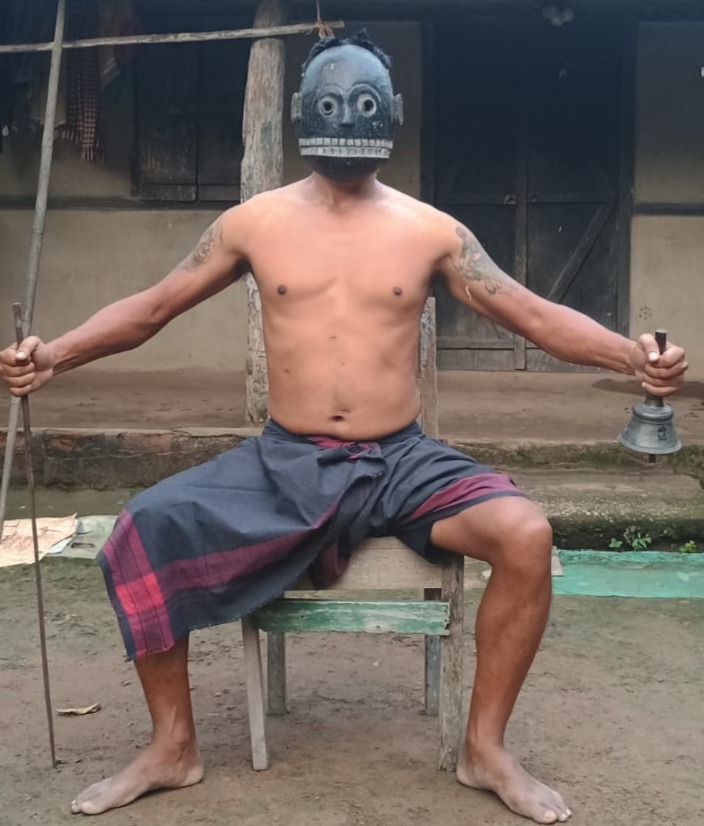
You might have frequently come across the term ‘Hau’ or have frightened a kid saying, “Don’t go there; Hau will come.” The word Hau is often uttered by Koch parents or elders to horrify and control their kids’ behaviour. But have you wondered what exactly is ‘Hau’? Is Hau a ghost, a monster, or an animal? In fact, no one knows exactly of its origin and how the term came into use. The term Hau has been loosely used to scare children and has been passed down from generation to generation as oral history. Like in the Indian state of Assam, in Meghalaya too the Hau is very popular. In Meghalaya the Hua is a human with a wooden black mask with a movable jaw, which comes along with a bell and a sword. These items have been preserved for generations by Sri.Kularajan Barman’s family of Lotibari village, Goalpara, Assam, who later shifted to Tikirkilla, 5 km from Lotibari village. Barman’s family currently resides in Tikirkilla,  West Garo Hills, Meghalaya. But interestingly, the family traces its ancestral roots to Purnia region in Bihar from where two brothers Ram and Beer migrated eastwards. Sri. Kularajan Barman claims to be the 10th generation of Ram. As per oral historical narratives of the family, the head of the family used to wear this mask during battles, and later the same was used while going for hunting. The mask comes with a set of a bell called dalaghata, similar to a bell which is tied around cow’s neck and a sword (unfortunately, Barman’s ancestral family had sold it). While hunting, the bell was used to make different rhythm to attract a deer or tiger. The hunter would secretly hide behind the bush and suddenly appear in front of the prey, shocking the animal and quickly stun the prey with his sword. Since such hunting practises have been given up at present, usage of the mask along with its accessories—the sword and the bell has also stopped. Today, the fearful mask lies now as an heirloom in Barman’s house passed down for generations. However, its name Hau stands immortal among the Koch community and is still used today to scare the hell out of naughty kids!

Mritunjay Barman wearing the Hau
Sri Kularajan Barman along with his extended family members holding the Hau

Conflicted Identity: being Rajbanshi from North Bengal Today

By Utsha Sinha

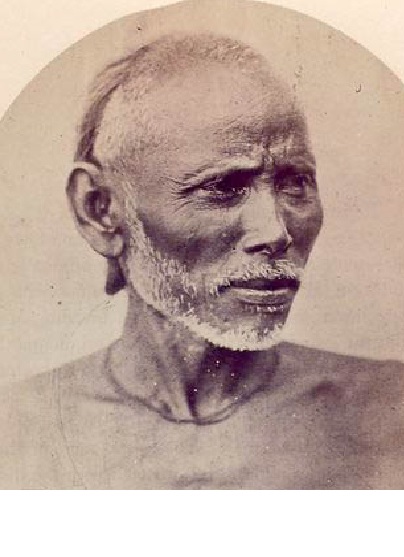
Rajbansi according to The People of India from The New York Public Library

“ওর নাক কি আর উচু হবে না?” (“Will his/her nose not have a higher nose bridge?”)

These are some of the things I’ve personally had to hear growing up. Being Rajbanshi has always been a conflicted identity. Some members of my family proudly boast about their identity. On the contrary, others are more discrete, even finding it humorous when I speak of my academic interest in exploring this area of study. This is a general reflection of the varied representation among the members of the community. But why? It is a question that has always bothered me. Why is my identity not as celebrated as others? This question is multifaceted.

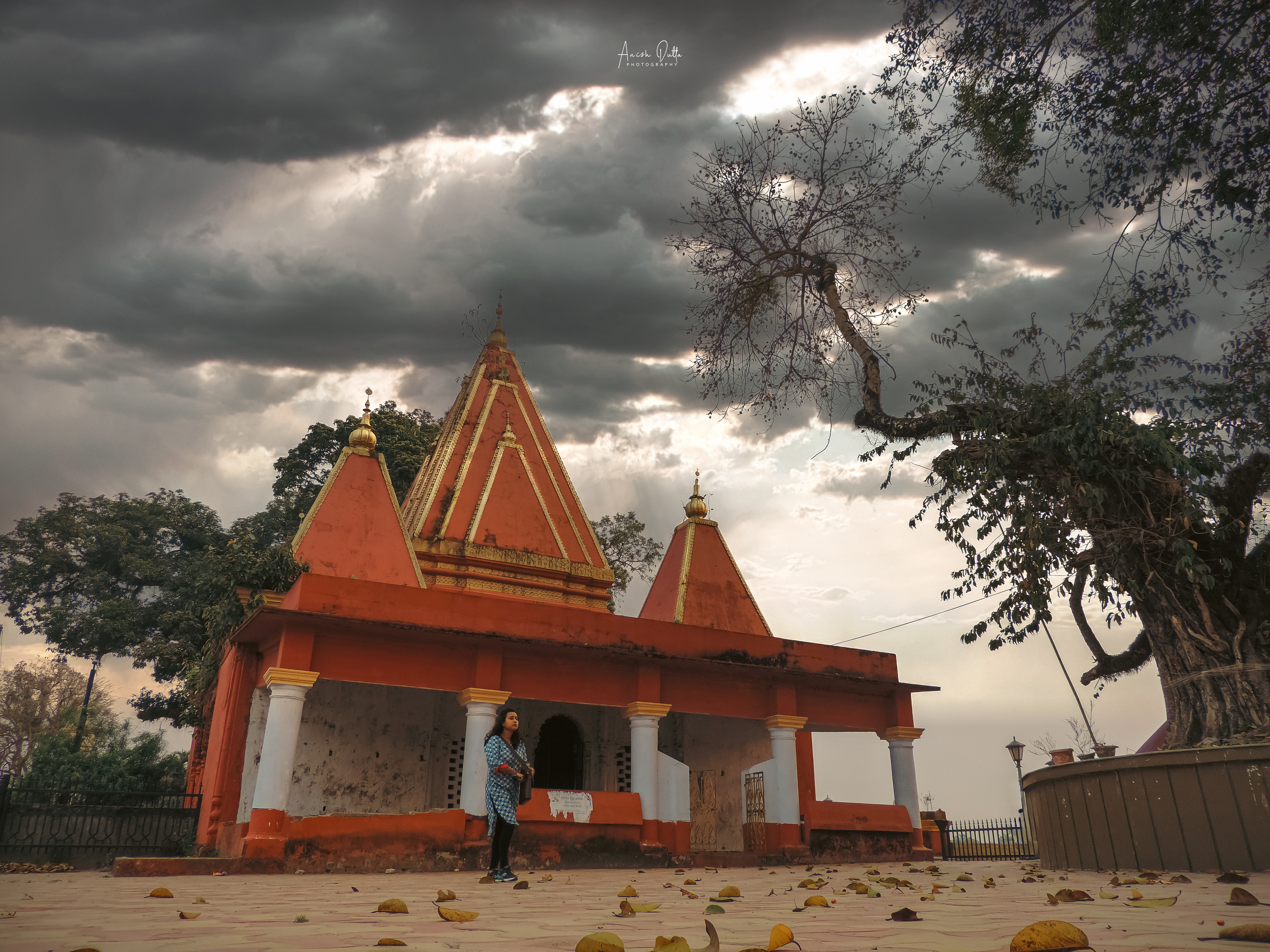
Jalpaiguri Rajbari Shiv Mandir

There exists a myriad of internalized complexity at work; let’s try to understand their roots from a historical perspective. After the Revolt of 1857, the Sepoy Rebellion, as labeled by Indian historians and called the Great Mutiny by British imperialist historians, [1] the British displayed their anxieties and launched the Peel Commission in 1859, largely altering the ratio of European soldiers to Indian soldiers. This further led to the development of the ‘Martial Race Theory’, which shaped the recruitment policies in the army, resulting in a frenzy of ethnographic anthropological documentation projects. Sir Herbert Hope Risley, a British colonial administrator, and ethnographer was the core advocate of anthropometry, the most favoured criterion, which measures the size of the nose and the skull to determine whether an ethnicity or a caste of people is a martial or non-martial race.

“এত মোটা করে ইয়েলিনের লাগাস না, চোখ গুলো আরো ছোট হয়ে যাবে।“ ( “Don’t wear your eyeliner so thick, it will make your eyes even smaller.”) “ওর নাকটা কি বোচা ই থাকবে?” (“Will her nose remain flat?”)

However, this theory was completely flawed, as the criteria for who qualified as a martial race were inconsistent and Machiavellian in nature as per the needs of the Colonial Masters. The Rajbanshi community was no stranger to this categorization. Risley in his book ‘The People of India’ writes:  “The seriations of the Kochh deserve special notice for the indications which they give of the two elements that have combined to form the Mongolo-Dravidian type.”; “Take the Kochh in Dinajpur and Rangpur, and they strike you as in the main Dravidian; travel further east, and include in your survey the cognate Kachari of Assam, and there is no mistaking the fact that Mongoloid characteristics predominate.” [2]

The more Aryan features one resembled, the higher the status of their caste and the more sophisticated was their culture, proximate to that of the British but, in actuality, never the same in any sense. As Homi K. Bhabha puts it, being White “but not quite.” [3]  This desire to be more like the British and subsequent recognition in the guise of martial race with all its anthropometrical justifications have left behind a legacy of racial complexities deeply internalized within Indians.

Caste-‘ism’ is like a disease which has infected Indian society. One still has to live with its realities. Panchanan Barma was one of the most important Rajbanshi leaders of the first half of the twentieth century. It was under his leadership that the community got representation as peasant Kshatriyas in the All-Bengal Depressed Classes Conference. Male members of the Rajbanshi community started imitating rituals often reserved for the Brahmin higher castes, such as wearing a sacred thread.[4]   This transition was not a new phenomenon; adapting to higher caste status and traditions has been observed since the Vedic Period, known as ‘Sanskritization’ as coined by historian M.N. Srinivas.[5] The main objectives of the Rajbanshi community were to improve their social status and political representation.

Despite this constructed caste status, on ground reality, they were still considered to be of inferior social status, treated as untouchables, and even experienced prohibition from entering certain temples. As per the 1931 Census, the community’s literacy rate was a mere 5.8 percent, eventually bringing them under the protection of the list of Scheduled Castes in Bengal in 1933.[6] Although situations have improved since then, one cannot really escape the generational stigmas. There’s still a degree of reluctance observed in resembling any Mongolo-Dravidian features of our ancestors. By consciously choosing to consciously dissociate, individuals tend to distance themselves from the very stigmas and discriminations associated with it. Moreover, it’s the lack of popular representation among the younger people of the community. While many successful Rajbanshi individuals excel in their respective fields, how many can you name who proudly talk about their ethnic identity?  

It is not just the lack of representation but also the lack of resources online. A handful of websites and organizations exist, most are small-scale with no vibrancy in the issues discussed and might have no appeal as such in attracting non-academics. A website titled ‘United States of Kamatapur’ mentions how “Koch Rajbongshis are shy by nature; they do not disclose their ancient language in public….”; “This behavior of Koch Rajbongshi tribe is because of their shyness, but it also has a negative effect because the world is unknown about their language and tribal culture….”.[7] These statements are just depictions of simplistic expositions of issues that require serious scholarly exploration. In my opinion, it’s rather a combination of the factors I have mentioned above that have led to the long-lasting colonization of the mind, leaving most people in denial of their roots.

 To my surprise, only a few research papers exist in the English language on issues related to the Rajbanshis. Only 18 PhD theses are available in all languages combined, [8]  along with a few books and articles that studied the community from the various angles of socio-cultural issues across its vast histories. Very recently, I had the opportunity to visit the Cooch Behar Rajbari. It was magnificent in all its glory, but as a student of history, it led to some queries. ASI has done an excellent job at its conservation efforts, but why were only 4-5 rooms opened to the public with inadequate historical information guides? It felt like visiting any other tourist destination which has lost its historic significance. Even the displayed artifacts were a mere few of the vast selection of treasures of the Rajas. Jalpaiguri is another district with a large number of Rajbanshi inhabitants. It used to be the centre for the Raikats, a sub-branch of the Koch Dynasty.[9] Today, however, the Rajbari has lost its former glory, only visited by its members during Durga Puja. The Rajbari Kali Mandir remains dilapidated with few interested in its historical significance.

Young individuals today spend hours on social media platforms discovering relatable content that reflects the nuances of their cultural background and finding others from their kin. But as a Rajbanshi, who do you identify with? Are you part of the Northeast Indian communities, who resemble you in your physical features, or do you relate to the Bengali people, with whom you share your language and customs to a great extent? Who exactly are you? – A part of both but at the same time not quite either. Identity is complex and, as such, cannot be explained by simple categorization (another problematic legacy of the Victorians) into static definitions. Against all these questions, one might ask my motive behind prioritizing the question of identity repetitively. It is a very simple longing for a sense of belonging. Is it wrong for me to want to celebrate and want to know my origins? Why is it normalized for others but I’m judged for doing the same?

References:


[1] Pradeep Barua, “Inventing Race: The British and India’s Martial Races,” The Historian 58, no. 1 (1995): 109. http://www.jstor.org/stable/24449614.

[2]Herbert Risley and William Crooke, The People of India (India: Asian Educational Services, 1999), 41-42.

[3] Homi K. Bhabha, The Location of Culture (United Kingdom: Routledge, 1994), 86.

[4] Milinda Banerjee, The Mortal God: Imagining the Sovereign in Colonial India (India: Cambridge University Press, 2018), 324.

[5] M.N. Srinivas, Religion & Society Among the Coorgs of South India (United Kingdom: Clarendon, 1952), 31.

[6] Banerjee, The Mortal God, 312, 315.

[7] “United States of Kamatapur,” accessed April 1, 2024, https://unitedstatesofkamatapur.weebly.com

[8] Centre for Koch (Rajbanshi) Studies and Development, “Ph.D. Theses,” accessed April 1, 2024, https://kochrajbanshicentre.org/publications/ph-d-theses/.

[9]P. K.  Bhattacharyya, “A SURYYA IMAGE INSCRIPTION FROM RAJGANJ,” Proceedings of the Indian History Congress 38 (1977): 791. http://www.jstor.org/stable/44139149.

সনাতন কোচঃ মোগলৰ বিৰুদ্ধে সশস্ত্ৰ প্ৰতিৰোধ গঢ়ি তোলা বজালীৰ বীৰ সন্তান

অৰূপজ্যোতি দাস

১৭ শতিকাৰ কামৰূপৰ বজালী অঞ্চলৰ বীৰ যোদ্ধা, সামন্ত, কৃষক নেতা তথা কামৰূপৰ স্বঘোষিত ৰজা সনাতন কোচৰ বিষয়ে ইতিহাস নিমাত নহয় যদিও, ইতিহাসবিদ সকল নিমাত বুলিয়ে কব পাৰি। চেগা-চেৰেকাকৈ অৱশ্যে সনাতন কোচৰ উল্লেখ ইতিহাসত পোৱা যায়। A History of Assam-ত Edward Gait- এ সনাতন কোচৰ কথা দুই-এঠাইত উল্লেখ কৰিছে। তেওঁ উল্লেখ কৰিছে যে কোচহাজো ৰাজ্যখন মোগলে অধীন কৰি লোৱাৰ পিচতো কামৰূপৰ কোচসকলে কোনোপধ্যেই মোগলৰ অধীনতা মানি লব বিচৰা নাছিল (But the Koches were by no means prepared to accept Mughal dominion)। কোচসকলে বিভিন্ন নেতাৰ অধীনত একত্ৰিত হৈ ব্ৰহ্মপুত্ৰৰ দুয়ো পাৰে মোগলৰ বিৰুদ্ধে এলানি আক্ৰমণ সংঘটিত কৰি সফলতা লাভ কৰিছিল। সেই সময়ত পৰিক্ষীত (কোচহাজোৰ ৰজা)ৰ ভাতৃ বলি নাৰায়ণৰ বাহিৰে আনজন শক্তিশালী নেতা আছিল  সনাতন কোচ। সনাতন কোচে সেই সময়ত মোগলৰ ৰাজস্ব বিষয়াজন বন্দী কৰিছিল (Gait,1984:67)।

সেই সময়ৰ অন্যান্য কেইবাজনো কোচ সামন্তৰ লগত সনাতনৰ কথা উল্লেখ কৰিছে বিশিষ্ট সমাজ বিজ্ঞানী ড০ অমলেন্দু গুহই তেওঁৰ ‘জমিদাৰকালীন গোৱালপাৰা জিলাৰ আৰ্থসামাজিক অৱস্থাঃ এটি ঐতিহাসিক দৃষ্টিপাত’ গ্ৰন্থত। তাত তেওঁ লিখিছে, ‘নগদ টকাত ৰায়তসকলৰ পৰা খাজনা আদায় কৰিবলৈ গৈ ১৭ শতিকাৰ প্ৰথমাৰ্ধত মোগল চৰকাৰে গোৱালপাৰা আৰু কামৰূপত ব্যাপক গণবিদ্ৰোহৰ সম্মুখীন হ’ব লগা হৈছিল। ঘাইকৈ এই বিদ্ৰোহ আছিল পৰাধীনতাৰ বিৰুদ্ধে। ‘…নব, সনাতন, ভৱচন আদি কোচ-ৰাজবংশী সামন্তসকলৰ নেতৃত্বত প্ৰজাসকলে খাজনা দিবলৈ অস্বীকাৰ কৰি সশস্ত্ৰ প্ৰতিৰোধ চলাইছিল’(গুহ,১৯৮৪:১৮)। গুহৰ বাহিৰেও অনিল ৰায় চৌধুৰীয়ে তেওঁৰ ‘নামনি অসমৰ মধ্যশ্ৰেণী’ গ্ৰন্থত সনাতন কোচৰ কথা উল্লেখ কৰিছে মূলতঃ গুহৰ তথ্যৰ আত ধৰিয়েই। আনহাতে সনাতন যে বজালী অঞ্চলৰ (এতিয়া জিলা) সেই কথাও চৌধুৰীয়ে উল্লেখ কৰিছে (চৌধুৰী,১৯৯৮:১২)।মুনিন্দ্ৰ নাথ শৰ্মাৰ ‘বজালীৰ ঐতিহাসিক পটভূমি’ শীৰ্ষক প্ৰবন্ধটোত সনাতন কোচৰ কথা আলোচনা কৰা হৈছে সেই কথা চৌধুৰীয়ে উল্লেখ কৰিছে। সনাতন যে সামন্ত আছিল তথা তেওঁ যে বজালীৰ দৈশিঙ্গৰী গাঁৱৰ এই কথা দৈশিঙ্গৰীত প্ৰচলিত আছে।

সনাতন কোচৰ বিষয়ে অকণমান আলোচনা কৰিছে ড০ ভাৰত চন্দ্ৰ কলিতাই তেওঁৰ ‘মধ্যযুগৰ অসমৰ সামৰিক ইতিহাস(১২০০-১৬৭১)’গ্ৰন্থত। সনাতনে নিজকে ৰজা বুলি ঘোষণা কৰা কথাটো এই গ্ৰন্থখনত উল্লেখ আছে। কলিতাই লিখিছে, ‘মুছলমানৰ অগ্ৰগতিক বাধা দিবৰ কাৰণে এক শক্তিশালী প্ৰতিৰোধ গঢ়ি তুলিছিল সনাতন কোচে। তেওঁ নিজকে ৰজা বুলি ঘোষণা কৰিছিল আৰু ধমধমাত এটা শক্তিশালী দূৰ্গ নিৰ্মাণ কৰিছিল। ইয়াৰ উপৰিও উত্তৰ কামৰূপৰ বিভিন্ন ঠাইত সৰু সৰু দূৰ্গ নিৰ্মাণ কৰিছিল যাতে মুছলমান সৈন্যৰ অগ্ৰগতিক বাধা দিব পাৰে। মোগল সৈন্যই প্ৰায় চাৰি মাহ সনাতনৰ বিৰুদ্ধে যুঁজ কৰাৰ পাছত ধমধমা দখল কৰিছিল (কলিতা ২০০৫: ৪৯)।


সনাতন কোচৰ বিষয়ে গুৰুত্ব সহকাৰে আলোচনা কৰা গৱেষক গৰাকী হল সংঘমিত্ৰা মিশ্ৰা। ২০১১ চনত প্ৰকাশ হোৱা মিশ্ৰাৰ ‘Becoming a Borderland’ শীৰ্ষক গৱেষণা গ্ৰন্থত তেখেতে সনাতন সম্পৰ্কে কিছু বিতংকৈ আলোচনা কৰিছে। সনাতন কোচ যে সেই সময়ৰ ইতিহাসৰ এটা গুৰুত্বপূৰ্ণ চৰিত্ৰ সেই কথা সংঘমিত্ৰা মিশ্ৰাৰ লিখনিৰ পৰা প্ৰতীয়মান হৈছে। সনাতেন ধমধমাত কেইবাহাজাৰো কোচ খেতিয়কক একত্ৰিত কৰি সশস্ত্ৰ প্ৰতিৰোধ গঢ়ি তোলা বুলি মিশ্ৰাই লিখিছে। সনাতনৰ নেতৃত্বৰ কোচসকলৰ যুদ্ধংদেহী মনোভাৱৰ বাবে মোগলে শান্তিৰ প্ৰস্তাৱ পঠাইছিল যদিও সেই প্ৰস্তাৱ ৰাইজৰ অনুকূলে নোযোৱা কাৰণে সনাতনে প্ৰত্যাখান কৰা কথাটো এই গ্ৰন্থত উল্লেখ আছে। ইয়াত উল্লেখ কৰা মতে মোগলৰ শান্তিৰ প্ৰস্তাৱ প্ৰত্যাখান কৰি সনাতনে মোগলৰ দূতক উত্তৰ দিছিল, ‘ খাজনা দিয়াৰ পিনে মনোযোগ দিবলৈ এতিয়া ৰায়তসকলৰ ক্ষমতা আৰু শক্তি দুয়োটাই নাই। আজি মহামান্যই নিজে আহিছে বুলিয়েই মই নিজকে সান্তনা দিব নোৱাৰো। দুজনকৈ আমাৰ সন্মানীয় ৰজাই (লক্ষ্মীনাৰয়ণ আৰু পৰিক্ষীত) সম্ৰাটৰ অধীনত স্বীকাৰ কৰি লাখ আৰু কোটিত ধন আদায় দিলে। তেওঁলোকৰ এই কাৰ্যৰ পৰা এনেকুৱা কি লাভ হ’ল যে মই আপোনালোকৰ শান্তিৰ প্ৰস্তাৱৰ পৰা কিবা কল্যাণ হ’ব বুলি ভাবিব পাৰো (Mishra 2011:33)।


যিটো সময়ত কোচ ৰাজ পৰিয়ালে নিজৰ মাজত যুদ্ধ-বিগ্ৰহ কৰি বিশাল কোচসাম্ৰ্যজ্যখন প্ৰায় ধুলিষ্যাৎ কৰি পেলাবলৈ লৈছিল, সেই সময়ত কোচ ৰাজপৰিয়ালৰ বাহিৰৰ সনাতন কোচৰ দৰে ব্যক্তিয়ে ভাতৃত্ববোধ, আনুগত্য, দেশ আৰু জাতি প্ৰেমৰ চৰম নিদৰ্শন দাঙি ধৰিছিল। দুয়োজন শত্ৰু কোচ ৰজা (খুৰাক লক্ষ্মীনাৰয়ণ আৰু ভতিজা পৰীক্ষিত নাৰায়ণ)ক ‘আমাৰ সন্মানীয় ৰজা’ বুলি মোগলৰ আগত উল্লেখ কৰি সনাতনে আগ্ৰাসী মোগলক স্পষ্ট বাৰ্তা দিব বিচাৰিছিল যে ৰজাৰ মাজত বিভেদ থাকিলেও সৰ্বসাধাৰণ কোচ একত্ৰিত আৰু স্বদেশৰ বাবে উচৰ্গিত। মিশ্ৰাই লিখিছে, ‘বন্দী ৰজাসকলৰ প্ৰতি হোৱা অন্যায়ৰ বিৰুদ্ধে সনাতনে কৰা মন্তব্যৰ পৰা সেই সময়ত কোচসকলৰ মাজত বিৰাজমান শক্তিশালী আত্মীয়তা(Kinship)ৰ আভাষ পোৱা যায়। সনাতনৰ জাতিৰ প্ৰতি থকা টানে সেই সময়ৰ আন আন কোচ সামন্তসকলকো আন্দোলিত কৰিছিল, যিটো দেখি সেই সময়ৰ এজন মোগল নেতাই মন্ত্বব্য কৰিছিল, ‘দুই কোচ ৰজাৰ বন্দিত্বৰ খবৰ কোচভূমিত বিয়পি পৰাৰ পিছত কোচ সামন্তসকলে কোচ সকলৰ বদনামি নোহোৱা কৰাৰ কাৰণে সশস্ত্ৰ অভ্যুত্থান সংঘটিত কৰিলে (Cited in Mishra 2011:33)।

সনাতন কোচৰ তথ্যৰ মূল উৎস হল মোগল সেনাপতি মিৰ্জা নাথানৰ বংগ, কোচবিহাৰ আৰু কোচ হাজোত (কামৰূপ) চলোৱা সামৰিক অভিযানৰ বিৱৰণী গ্ৰন্থ ‘বাহাৰীস্তান-ই- গায়াবী’। গায়াবী মিৰ্জা নাথানৰ  তখলুছ বা ছদ্মনাম। সনাতনৰ  নেতৃত্বত কোচ সকলে মোগলৰ বিৰুদ্ধে কেনে প্ৰৱল প্ৰতিৰোধ গঢ়ি তুলিছিল সেয়া ইয়াত লিপিবদ্ধ কৰা আছে। জয়-পৰাজয়ৰ কথা নাভাবি প্ৰতিকূল পৰিস্থিতিতো যুদ্ধৰ বাবে সদা-প্ৰস্তুত সাহসী কোচসকলৰ কথা ইয়াত লিখা আছে। সনাতনৰ নেতৃত্বত কোচসকলে মোগলৰ বিৰুদ্ধে কোনো চালুকীয়া-আবেগিক যুদ্ধ চলোৱা নাছিল। এই সশস্ত্ৰ যুদ্ধত সনাতনহতে সকলো ধৰণৰ ৰণ-কৌশল তথা সেই সময়ৰ যুদ্ধৰ সকলো আহিলা ব্যৱহাৰ কৰিছিল।মিৰ্জা নাথানৰ টোকাৰ পৰা গম পোৱা যায় যে সনাতনে বন্দুক আৰু কামানো ব্যৱহাৰ কৰিছিল। মিৰ্জা নাথানৰ শান্তিৰ প্ৰস্তাৱ লৈ যেতিয়া দূত সনাতনৰ দূৰ্গলৈ আহিছিল, তেতিয়া সনাতন বাহিনীৰ গুলী-বাৰুদৰ কাৰণে সেই দূত ভিতৰলৈ সোমাব পৰা নাছিল। ‘বাহাৰীস্তান-ই- গায়াবী’-ত উল্লেখ আছে, ‘সেই দূত দূৰ্গৰ ভিতৰৈল অগ্ৰসৰ হওতে দূৰ্গৰ আভ্যন্তৰত থকাসকলে প্ৰথমতে তাৰ প্ৰতি তীৰ, বন্দুকৰ গুলী আৰু কামানৰ গোলা নিক্ষেপ কৰে। কিন্তু পিচত যেতিয়া বাতৰি লৈ অনা বুলি গম পালে তেতিয়া তীৰ আৰু বন্দুকৰ গুলী নিক্ষেপ কৰা বন্ধ কৰি দূতক দূৰ্গৰ ভিতৰৈল যাব দিয়ে’ ( নাথান ২০১২ ৩৩৩)।

সনাতন কোচে কিমান দিনলৈ কামৰূপত মোগলক প্ৰতিৰোধ কৰিছিল সেয়া সঠিককৈ জনা নায়ায় যদিও সেয়া ২ ৰ পৰা চাৰি বছৰৰলৈ হব লাগে যিটো ১৬১৩ ৰ পৰা ১৬১৬ ৰ ভিতৰত হব (পৰীক্ষিত বন্দী হোৱাৰ পৰা মৃত্যু হোৱাৰ সময়খিনি)। উল্লেখ্যে যে মিৰ্জা নাথানক বৰ নগৰত (সৰভোগ)ত অবৰুদ্ধ কৰিবলৈ সনাতনৰ বাহিনী সক্ষম হৈছিল। ধমধমাত সনাতনে যি প্ৰতিৰোধ গঢ়ি তুলিছিল সেয়া মাহ মাহ ধৰি মোগলে ভেদ কৰিব পৰা নাছিল। সেই সময়ত সনাতনৰ বাহিৰেও বলি নাৰায়ণ, বেলতলা শাসক মামু(মান) গোবিন্দ (এওঁ পৰীক্ষিতৰৰ মোমায়েক), ৰাণী, লুকী আদিৰ ৰজা সকলেও মোগলৰ বিৰুদ্ধে যুদ্ধত ব্ৰতী হৈছিল যদিও সংঘবদ্ধভাৱে যুজ দিয়াৰ সময়পোৱা নাছিল, যিটে পৰবৰ্তী সময়ত সংযুক্ত বাহিনীৰ সৃষ্টি কৰি শৰাইঘাটৰ যু্দ্ধত কৰা হৈছিল। তেনে এক পৰিস্থিতিত মোগলৰ বিৰুদ্ধে আনসকলৰ দৰে সনাতনেও নিজৰ সম্বলেৰই যুঁজত অৱৰ্তীণ হৈছিল।ভাগ্য, ধনবল, জনবল, দেশৰ পৰিস্থিতি একোৱে সনাতনৰ পক্ষত নাছিল।

সনাতনক দমন কৰাৰ বাবে মোগলে অনীতিৰ আশ্ৰয় লৈছিল। বৰনগৰৰ দূৰ্গত অৱস্থান কৰি থকা সনাতনক মানসিক হেঁচা প্ৰয়োগ কৰাৰ বাবে মিৰ্জা নাথানৰ নেতৃত্বত আশ-পাশৰ গাঁওবোৰত লুণ্ঠন চলোৱা হৈছিল। নাৰী অপহণৰ ঘটনা পৰ্যন্তও হৈছিল। সনাতনক অন্তিম হেঁচা প্ৰয়োগ কৰাৰ বাবে সনাতনৰ দূৰ্গলৈ খাদ্য সৰবৰাহ কৰা দুই হাজাৰতৈকও অধিকলোকক হত্যা আৰু বন্দী কৰা হয়। দূৰ্গৰ সকলো দ্বাৰ বন্ধ কৰি দিয়া হৈছিল।তেনে এক পৰিস্থিতিত সনাতনৰ সংগীসকেল তেওঁক জুটীয়া অৰণ্যৰ দূৰ্গলৈ গৈ কিছু দিন তাত অৱস্থান কৰাৰ বাবে উপদেশ দিয়ে। সনাতনে নাথানবাহিনীৰ চকুত ধুলি দি নিশাৰ দুই প্ৰহৰত ধমধমাৰ দূ্ৰ্গ ত্যাগ কৰি জূটীয়ালৈ গুছি যায় (নাথান,২০১২ ৩৪০)।

সনাতনে জুটীয়াৰ দূৰ্গলৈ গুছি যোৱাৰ পিচতো সনাতনৰ ভয়ে মগালক বাৰুকৈয়ে চিন্চিত কৰিছিল।সনাতন যে সচাকৈয়ে আতৰি গৈছে এই বিষয়টোত মিৰ্জা নাথান বাহিনী নিশ্চিত হব বিছাৰিল। নাথানৰ তেনেকুৱা অৱস্থা দেখি মোগল কৰ্মচাৰীয়ে সাক্ষী যোগাৰ কৰি মিৰ্জা নাথানৰ আগত প্ৰস্তুত কৰিছিল। এই সাক্ষীৰ কাম আছিল সনাতন জুটীয়ালৈ যোৱা কথাটো সচা বুলি নাথানক বিশ্বাস কৰোৱোটো। পিচে সনাতনৰ কিন্তু পুণৰাই আবিৰ্ভাৱ হৈছিল।

পৰব্তী সময়ত মোগল বিষয়া মিৰ্জা ইউছুফ (নাথান নহয়) আৰু ৰজা ছত্ৰজিতেহতে য়েতিয়া বৰনগৰ দূৰ্গত অৱস্থাৱ কৰিছিল তেতিয়া সকলো সময়তে সনাতন কোচে তেওঁৰ বাহিনীক লৈ সম্মুখত ৰথ ৰাখি দূৰ্গত আক্ৰমণ চলাই মোগল বাহিনীক ব্যতিব্যস্ত কৰি তুলিছিল। পৰবৰ্তী সময়ত নতুনকৈ সৈন্য আনি চাৰিওফালৰ পৰা সনাতনৰ কোচবাহিনীক আক্ৰমণ কিৰ মোগলে পৰাভূত কৰিছিল। পিচে সনাতনক কৰায়ক্ত কৰিবৈল সক্ষম হোৱা নাছিল। সনাতন পুনৰ নহোৱা হৈছিল। সনাতন হেৰাই গল কিন্তু তেওঁৰ মৃত্যুৰ থবৰো পোৱা নগল।  

………..

প্ৰসংগঃ

কলিতা, ড০ ভাৰত চন্দ্ৰ. ২০০৫. মধ্যযুগৰ অসমৰ সামৰিক ইতিহাস(১২০০-১৬৭১)’, ভাৰতীয় ইতিহাস সংকলন সমিতি, গুৱাহাটী (অসমীয়া অনুবাদ-দীপক ঠাকুৰীয়া)

গুহ, ড০ অমলেন্দু. ১৯৮৪.জমিদাৰকালীন গোৱালপাৰা জিলাৰ আৰ্থসামাজিক অৱস্থাঃ এটি ঐতিহাসিক দৃষ্টিপাত’ ত্ৰিপথনাথ চোধুৰী, ধুবুৰী

ৰায়চৌধুৰী,অনিল.১৯৯৮. নামনি অসমৰ মধ্যশ্ৰেণী, বৰুৱা এজেন্সি, গুৱাহাটী

নাথান, মিৰ্জা. ২০১২. বাহাৰীস্তান-ই-গায়বী, দিব্যা প্ৰকাশ, ঢাকা (খালেকদাদ চৌধুৰী অনুদিত)

Mishra, Sanghamitrta. 2011. Becoming Borderland: Politics of Space and Identity in Colonial Northeastern India, Routledge, New Delhi

Gait, Edward. 1984. A History of Assam, LBS Publications, Guwahati

(সনাতন কোচৰ কাল্পনিক চিত্ৰখন অৰূপজ্যোতি দাসে অংকণ কৰা)

To be scheduled or not to be scheduled: The 1996 Ordinance, Its report and the tryst of Koch-Rajbangshis of Assam to be Scheduled Tribe

Nirban Ray

The Koch-Rajbangshi community of Assam had been demanding scheduled tribe status since the 1960s. But it was only before the general election of 1996, this demand had gained a peculiar momentum. Prior to 1996, the two Backward Classes Commissions- the 1955 Kalekar commission and the 1980 Mandal commission- had recommended the inclusion of the Koch-Rajbangshi community as an OBC (Other Backward Class) and not as a ST (Scheduled Tribe) community. Similarly, neither the advisory committee to revise SC/ST list in 1965 and nor the joint committee of parliament to examine the ST Orders Amendment Bill 1967 recommended the inclusion of Koch-Rajbangshis as a ST in Assam. 

The 1996 Ordinance, the bill, and the Select Committee 

However, in 1996, the Assam Government led by Chief Minister Hiteswar Saikia had recommended the inclusion of the Koch-Rajbongshi community in the list of Scheduled Tribes(Plain), excluding the autonomous districts of Assam. Assam Government not only recommended the proposal of inclusion of the community as ST to the then Narasimha Rao Government at the centre,  but it had also persistently demanded the inclusion on an immediate basis. The government of Assam was so persistent that- even though the Parliament was not in session, the Narasimha Rao Government advised the President to promulgate the Constitution (Scheduled Tribes) Order (Amendment) Ordinance, on 27th January 1996 in order to include the Koch-Rajbangshis in the ST category of Assam. A Bill seeking to replace the Ordinance was also introduced in the Lok Sabha on 29th February 1996 but it lapsed with the dissolution of the tenth Lok Sabha. The ordinance was re-promulgated a record number of three times and later was introduced in the Lok Sabha on 12 July 1996 as the Constitution (Scheduled Tribes) Order (Amendment) Bill 1996. The House, then authorised the speaker to refer the Bill to a select committee of Lok Sabha with instructions to report back to the house. The committee submitted its final report in August 1997 but the bill was neither introduced for voting nor enacted in time and thus it lapsed and the Koch-Rajbangshis became OBC again, having been lived a short span of less than a year as Scheduled tribes. In order to illustrate the gravity of the situation, a member of Parliament from Mangaldai, Madhab Rajbangshi expressed his anguish in Lok Sabha on 20 July 1998 as follows-

 “It  is observed that all the Ordinances pertaining to the inclusion of the communities as SC/ST in the past were  replaced  by  the  Bills  within  a maximum  period  of six months after the promulgation of the Ordinance. But in the case of Koch Rajbongshi community of Assam, even after lapse of two years, the promulgation of the 1st Ordinance No. 9, 1996 dated 27  January, 1996  is yet to be replaced by a Bill. The Parliamentary Select Committee has submitted its report in the month of April, 1997 recommending for the inclusion of Koch Rajbongshi Community as ST(P). The Government  of  Assam  had  also  submitted their  opinion  on  the report the Parliamentary Select Committee recommending for the inclusion of Koch Rajbongshi Community  as  ST(P)…  In spite of continuous re-promulgation of the said ordinance for the fourth time, it was not enacted in time leading to its lapses. This  way, a great injustice has been done to the Koch Rajbongshi Community of Assam by denying the fundamental rights under the Constitution of India as the issue under reference is still hanging.” (XII LOK SABHA DEBATES, Session II, (Monsoon) Monday, July 20, 1998)

  Reading the reports 

The primary objective of the select committee was to consider whether the Koch-Rajbongshi Tribe of Assam should be included in the ST list of Assam or not while taking into consideration the claims of other tribal groups for their inclusion in the ST list of Assam. 

Before making any claim based on its observation, the select committee first took notes of the reports submitted by the Assam Institute of Research for Tribal and Scheduled Castes. The institute was asked by Assam Government to examine whether the Koch-Rajbangshi community was entitled to be enlisted as ST. The institute submitted two reports to the Government of Assam.

 The first report

 was sent to the Government of India by Assam Government on 3rd April 1993, in which it stated that the Koch Rajbangshis do not deserve to be included in the Scheduled Tribes list of Assam. The report expressed doubt as to whether the ‘Koch’ and ‘Rajbangshi’ are knitted together or they are in two different communities. Further, as the Koch-Rajbangshis claim themselves to be “Kshatriyas” their present demand to become “Shudras” is more confusing. The report followed five criteria – primitiveness, distinctive culture, geographical isolation, shyness regarding contact with other communities at large, and overall backwardness to determine its finding. And it found that none of these criteria applies to the “Kshatriya” Koch-Rajbangshis living in plain districts of Assam (such as Sonitpur, Nagao), except the Koch-Rajbangshis living in the districts of – Goalpara, Dhubri, Kokrajhar and Bongaigaon. Considering all these aspects the report did not recommend the inclusion of Koch-Rajbangshi/Koch Rajbangshi-Kshatriyas in the list of Scheduled Tribes of Assam.  

 The second report

 was sent to the Government of India by Assam Government on 9 August 1994. Contradicting the first report, the second report provided adequate justification for the inclusion of Koch Rajbangshis-Kshatriya in the List of Scheduled Tribes in Assam. After analysing the historical and anthropological past of the Koch-Rajbangshi Kshatriyas, the report concluded that the Koch-Rajbongshi-Kshatriyas of Assam are of Mongoloid tribal origin and linguistically they belong to the Tibeto-Burman family. It further said that Koch, Rajbongshi and Kshatriyas are simply three terminologies adopted by the people of the Koch ethnic group on various socio-religious political situations. Regarding the five criteria to determine thier  tribal orgin, the report, first of all, made a clear distinction between the Koch-Rajbangshis of Upper Assam and Lower Assam and then concentrated its detailed field study on the Koch-Rajbangshis of Lower Assam particularly inhabiting Goalpara, Dhubri, Kokrajhar and Bongaigaon districts. For instance, the report found that the villages viz. Bhamandanga, Chuprikuti, Pokalagi, Kherbari, Jhaskal, and Ghariyaldubi etc. located near the Bangladesh border under Golokganj Sub-division of Dhubri district are found to be devoid of road and other infrastructural facilities, which hindered proper interaction of the people with the outside world. This report had taken into consideration the ruthless suppression of the Koch-Rajbongshi people of undivided Goalpara district by the Zamindars and its psycho-social implications, as it produced inferiority-complex among the population. The report also cited a 1969 report of the Department. of Economics & Statistics, Government of Assam which clearly found landlessness with mounting pressure on agricultural land, lack of industrialisation and that the present Koch-Rajbangshis were not economically well-off than their previous generation. In order to highlight the educational and employment position among the Koch Rajbangshis, the report represented a sample from the Koch-Rajbangshi dominated areas of Golokganj and Baitamari (North & South) of Dhubri and Bongaigaon districts, which depicted a very sorry state of affairs. Considering all these relevant aspects, the report found adequate justification for the inclusion of Koch Rajbongshi-Kshatriyas in the list of Scheduled Tribes of Assam. 

It is to be noted here that based on the findings of this second report, the Government of Assam recommended the Registrar General of India (RGI) to include Koch-Rajbangshis in the ST list of Assam. And when the select committee reached out to RGI for the same matter, the RGI office replied that it had in 1981 rejected the proposal but in the light of the empirical data furnished by the Tribal Research Institute of Assam, the RGI office had no objection to include the Koch-Rajbangshis in the list of Scheduled Tribes of Assam. 

 Concern and opposition of other Tribals 

The select committee received a total of 282 memorandums from various associations/organisations and individuals etc. containing comments/suggestions on the provisions of the Bill. Among the individuals, former CM of Assam Golap Borbora not only advocated immediate inclusion of Koch Rajbangshis to ST list but he also pushed for the inclusion of other tribals such as Chutia, and particularly the tea labourers on the ground that since the 13% general population were getting more than what they were needed to be given, it would not cause any harm to increase the reserved quota for tribals to 85%. On the contrary, another former CM Anwara Taimur opposed the inclusion as she believed that Koch and Rajbangshis were not the same, Koch Rajbangshis came from Cooch Behar of West Bengal and they were not tribals. Instead, she emphasized on the OBC Muslims of Assam and their demand for inclusion in the SC list. However, she stated that she would not oppose any decision taken by the government. Similarly, the United Tribal Nationalists Liberation Front of Darrang opposed the inclusion as the Koch-Rajbangshis had joined and assimilated with the Assamese culture, civilisation, and language of their own volition and they failed to conserve their own language, culture, and civilisation. Further, it found the community to be at its highest stage of development as the community produced a very renowned and advanced person like Sarat Chandra Sinha, who was the Chief Minister of Assam, from 1972 to 1978.

Among the opposition to the inclusion of Koch-Rajbangshis in the ST list by other tribal groups, the Dibrugarh Nagar Deori Unnayan Samiti presented the select committee a copy of the 1992 report of the Assam Institute of Research for Tribals and Scheduled Castes, the first report of the Institute which rejected the proposal of including Koch Rajbangshis to the ST list. The representatives of the Samiti opposed the inclusion based on their observation that Koch and Rajbangshi were two different groups, that in the social order of the Hindu caste system of Assam, the Koch comes next to Brahmin and Kalita and form a major constituent of the population of the Assamese society having Vaisnavite Sankari culture and that the  Koch-Rajbangshis are far advanced than the present group of scheduled tribes of Assam. Therefore the Samiti expressed its fear that if Koch Rajbangshis are included in the ST list then ‘it will have far-reaching consequence and will break down the entire infrastructure of the developmental programmes of the tribal people in the country.’ On a similar tone, the Sonowal Kachari Jatiya Parisad opposed the inclusion because according to them ‘the Koch Rajbangshi people are regarded as “upper class Hindu”, they are very intelligent, talented and the community is developed in all respects. To support their opposition, the Parisad also conducted a field investigation on its own and found out that since the ordinance included Koch-Rajbangshis as STs in February 1996 till August 1996, 25 out of 42 medical seats reserved for STs in Guwahati Medical College, 8 out of 10 seats reserved for STs in Jorhat Engineering College,  were occupied by Koch-Rajbangshi students, among other institutions and services. Therefore, the Parisad stressed the need to not dilute the existing 10% reservation quota of the regional tribal people of Assam and suggested a separate provision for the Koch Rajbangshis, if necessary.

 Verdict of the select committee

 After going through the various works of literature, reports of the Tribal Research Institute, comments of the Registrar General and Census Commissioner, etc. and the evidence taken from various associations/organisations, the select Committee found the Koch Rajbangshis to be of Mongolian origin and one of the earliest inhabitants of the undivided Assam – living mainly in the districts of Dhubri, Kokrajhar, Bongaigaon, Goalpara and Kamrup with scattered presence in the remaining districts. The select committee observed that the Koch Rajbangshis of lower Assam, particularly of Dhubri, Kokrajhar, Bongaigaon, and Goalpara districts possessed all the criteria – primitiveness, distinctive culture, geographical isolation, shyness regarding contact with other communities at large and overall backwardness- in order to be included in the ST list of Assam. The select committee, therefore, recommended that the Koch-Rajbangshis should be included in the list of Scheduled Tribes so that ‘they may come in the mainstream of the public life’.

In its final remarks, the select committee provided a possible way out from the discontent which might arise as a result of diluting the existing tribal reservation in the following words, –

 “that presently there is 15% reservation for Scheduled Tribes (10% for plains and 5% for hills), 7% for Scheduled Castes and 17% for other Backward Classes. The total reserved quota thus comes to 39%. As per the Supreme Court verdict, a State cannot have more than 50% reservation. The Committee oobservesthat, in view of the Supreme Court verdict, there is still scope of increasing the reservation quota by 11 %. The Committee are of the opinion that the Government may explore the possibility to increase the adequate quota of the Scheduled Tribes. The quota reservation may be decreased from the Other Backward Classes list, If necessary, as a large chunk of Koch Rajbangshis, Chutias and others would be transferred from OBC list to the ST list. This proportional quota can also be added to the ST list. The Government may also explore the possibility of creating a separate reserved quota for Koch Rajbangshis and other communities to be scheduled by this Bill so that the reservation benefits enjoyed by the notified tribes are not affected.’  

 The Aftermath 

The report of the select committee of 1996 had failed to be translated into the Constitution (Scheduled Tribes) Order (Amendment) Bill as the general election of 1996 resulted in a hung parliament with no single party having a clear majority. The BJP formed a short-lived government under Prime Minister Vajpayee but two weeks later United Front coalition secured a majority and Deve Gowda became Prime Minister. Again in 1997, I.K Gujral succeeded Deve Gowda and became the Prime Minister. Amid such instability in national politics, the select committee report eventually was forgotten and with it, the aspirations of the Koch-Rajbangshis to be included in the ST list lost its momentum.

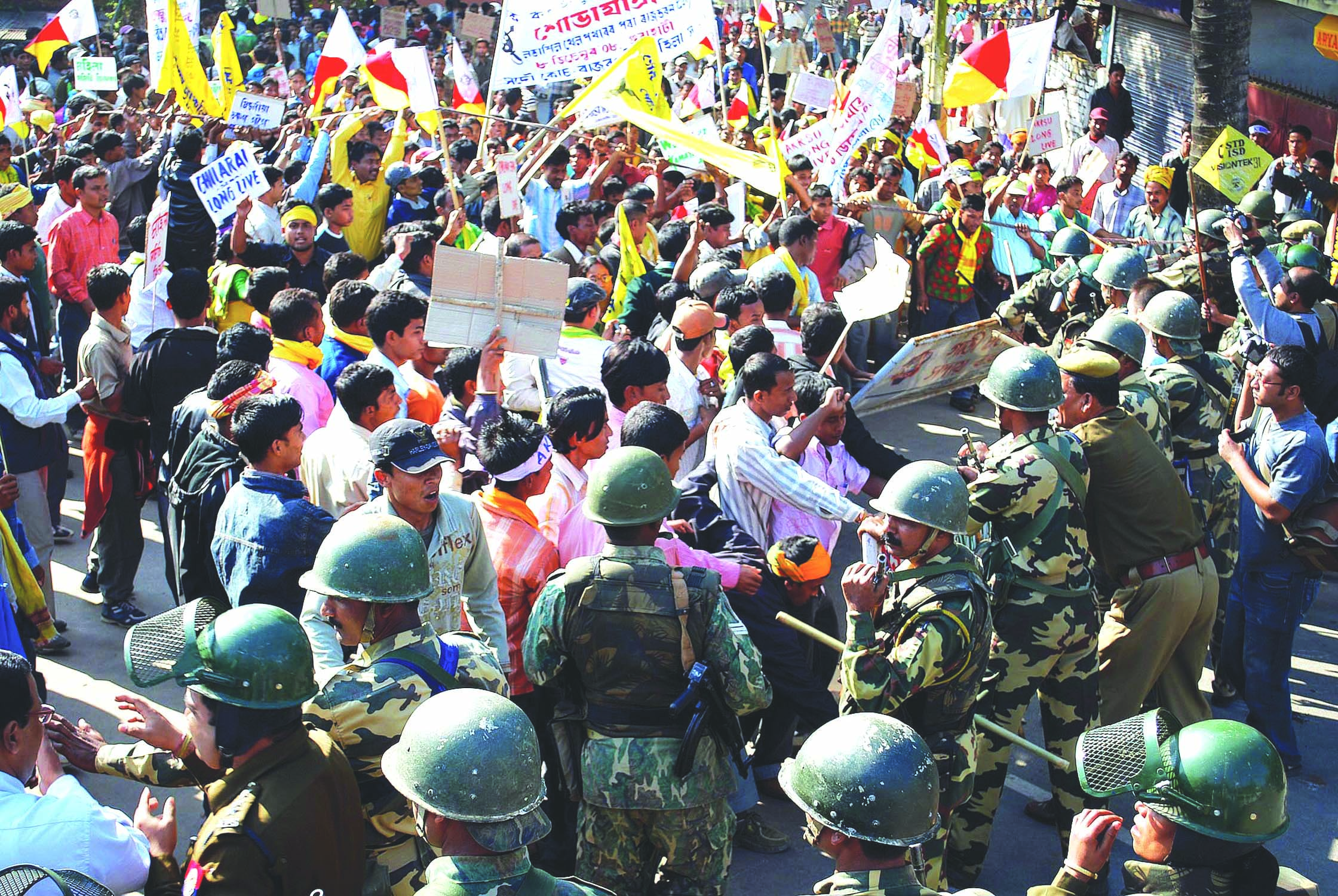
 But, it was not in isolation for long as the ST question of the Koch Rajbangshis received yet another momentum in 2014 as well as in 2019, both times before general elections. In 2014, Narendra Modi came to Bongaigaon and announced on 19 April at Kakoijan election rally that within six months, ST will be given to Koch Rajbangshis if BJP comes to power. But it was not until 2019 that a bill was placed in Parliament for the same. The Constitution (Scheduled Tribes) Order (Amendment) Bill, 2019 was introduced in the Rajya Sabha on 9 January 2019 by the Minister of Tribal Affairs, Jual Oram, intending to grant Scheduled Tribe (ST) status to six communities in Assam, including the Koch Rajbangshis. But, the day after the Bill was tabled, the existing ST communities came out to the street as a sign of protest. The Coordination Committee of Tribal Organizations of Assam (CCTOA) called a state-wide 12-hour bandh on 11 January 2019 to protest against the bill as they feared that the amendment bill would eliminate the “genuine tribal people” of the state by enlisting six new ethnic groups of Assam as STs (Outlook 2019). Following this, on 13 January 2019, the union home minister asked the Government of Assam to prepare the modalities for granting ST status to six communities of Assam without harming the rights of existing STs. Immediately after this Assam Minister Himanta Biswa Sarma took responsibility to recommend measures. But all this happened before the general election of 2019 and the Assam State election of 2021.

The elections are over now and Himanta Biswa Sarma has become the new Chief Minister of Assam. The modalities on the other hand have not yet been prepared and the inclusion of Koch Rajbangshis in the ST list of Assam still hangs like a pendulum. After all, to be scheduled or not to be scheduled is more of an electoral question rather than a developmental and identity question of the community. And who will bother?

—————————–

 ( Nirban Ray is a Ph.D. student at the  Centre For Political Studies, JNU, New Delhi. He can be reached at raynirban1@gmail.com) 

 ***Select Committee Report (1997): “The Constitution (Scheduled Tribes) Order (Amendment) Bill,” 1996 C.B.(II) No 426, Presented to Lok Sabha on 14 August 1997, Lok Sabha Secretariat, New Delhi, 1997, viewed on 12 January 2019, https://eparlib.nic.in/bitstream/123456789/757628/1/jcb_11_1997_scheduled_tribes.pdf.

KNOWING THE CITY, SILIGURI

Paromita Ghosh

The city, Siliguri has been a refuge to millions of homeless who had crossed the newly created border and settled after the Partition of Bengal. This city weaves series of settlement stories that began after the British laid jute and tea cultivation and later magnified with the partition. Partition has played an important role in making of Siliguri and by walking down the memory lane of individuals this narrative would tell several unheard Partition stories of displacement and settlement experienced both by migrant Hindus Bengalis and local Rajbanshis and their process of claiming identity.

————-

“Pardesi howa jachii

Elaye hamra laye pardesi howa jacchi

Hath gila boro basar nakhan sokto howa jaye

Hamare agil-purusher naki aja chilo

Boudiya bairagir moton hamrae laye

Bhita -r jomi ,haal goru bechara hath patodi”

 (we are becoming foreigners in our land, our hands are becoming tough. Our ancestors happened to be rulers but we have lost everything -our land, cows becoming recluse)” (Ganguly as cited in Ghosh, 2013,pp.70)[1]

Introduction:  Partition, as underlined

Our Independence had a disguised partner called Partition and history locked the violence and trauma that partition bore in the timeframe of 1947 only, not looking beyond that time and one particular region i.e. West Partition-Punjab for long. Partition was experienced differently in different regions, Eastern Partition did not experience this bifurcation in one time just in 1947 but twice/thrice- as an ongoing process, in a varied and multifarious way struggling through time. To unravel such silences Partition is still remembered and rewritten even after 72 years to bring out the several faces of East Partition (Roy, 2012).

East Partition was silenced over West Bengal experiencing continuous partition was not identified. The refugees from East Bengal remained a ‘problem child’ for a Nation whose path to self-reliant citizenship was handicapped due to illegitimacy of claims and with every riot, there was mass migration taking place and unplanned settlement (Sengupta, 2015). Therefore, Bengal experienced the most haphazard divide making people still suffer the consequences of the divide. Individual space within the collective is often constricted and the collective claim has more moral supremacy over individual needs. While Bengal became a subject of understanding Partition in the later years by nation, hegemony still played an important role in understanding how the partition of Bengal is represented. A peculiar hyper visibility of Calcutta (Kolkata) coming to stand in for all of Bengal and landscape of writings about/on Bengal Partition has been uniquely hegemonized by Calcutta (Kolkata). These representations at every step of time have often left many crucial gaps in knowledge where living conditions beyond cities, mofussil areas like Uttarbanga-North Bengal hardly found space in history, art, culture, or literature.

Uttarbanga

Uttarbanga[2] shares a distinctive history and socio-geographical condition from the rest of Bengal. This area with long past royal heritage was once covered with thick forests,experiencing incessant rains throughout the year keeping the land mushy and accommodating very less population of inhabitants: Rajbanshis[3], Meches[4], Rabhas[5], Totos[6], etc among which Rajbanshis were the largest ethno-linguistic and most notable community owning large acres of land as well as they have a ruling legacy (Gupta,1992). However, this region, with her history, had been in the dark corners for a prolonged period until recently. The differences and problems faced by partition in Northern Bengal was different from the rest of Bengal, there was a vast migration in Northern Bengal after Partition and is continuing because of the unplanned settlement and haphazard division mapped by the Radcliffe Line[7].

The history of displacement, dispossessions brought forth here was expressed through personal experiences more as History did not iterate, thus, creating an alternate history to challenge the ideological readings shaped by violence and neglect of a non-linear past.

Moving beyond the collective hegemonic frame of remembering Partition and bringing an alternative space where individuals share their memories, photo, visual memory through their everyday living. Memory has been passed on to generations and in this intergenerational movement of memory there has been a process of ‘amnesia’ – a process of forgetting and thus for retrieval of memory, poems, lost places, history of food, music is recollected and connected (Kabir,2013). Ananya  Kabir also explains that through a holistic understanding of how individuals in India, Pakistan, and Bangladesh respond to everyday existences by forgetting and remembering circumstances and narrating the Partition story, Partition’s Post-Amnesia is created, to denote the deliberate return to the exploration of places lost to the immediate generations through a combination of psychological and political imperatives. The feeling about the Partition, the events, the process of voicing the longings for places, those times, and the lives of various individuals living beyond the drawn national boundaries encircles here. Through an explanatory lens and mode of analysis, the events of Partition are understood and therefore this continuous moving to and forth between narratives, history, various scholarly writings, and personal understanding, paves the understanding of how partition memory connects individuals through objects, places, and memory is passed down to generations making partition as part of one’s every day.

The complex story of Partition of Northern Bengal is intertwined with Nation, Geography, Caste and power dynamics of :

1. Kolkata and mofussil areas,

2. Bhadroloks to lower caste,

3. State exploitation,

4. Landowners with tillers,

5. Migrated Hindus and inhabitants.

Thus, this research work looks beyond the famous narratives of violence brought about by the Partition divide, religion, and pain of losing Land, and focuses on memories of Rajbanshis and migrated Hindu Bengalis to share a different story of partition. Focusing in Siliguri the memories talk about power dynamics that did make the story of Partition against the other but also shares a story beyond these polarised or fixed separate dichotomies where, time, space makes every individual victim of time, juxtaposed around, linked closely in a circle where every individual in one way or the other has been victims to partition.

Siliguri in Northern Bengal…

Siliguri had been a refuge to millions of homeless who have crossed the newly created border and settled here after Partition. Located in the foothills of Terai, Siliguri was once a marshy less known area recording just 8% of the population then, now is regarded as the second most important city of Bengal after Kolkata.  This city weaves a Partition story with continuous migration that continued after Partition that led to the growth of Siliguri.

A very common narrative to define old Siliguri was, ‘malaria-prone, empty land’ that was covered with the thick forest. In 1920Siliguri had a very sparse population of inhabitants and Rajbanshis were economically more sustained than the other inhabitants of Northern Bengal (Gupta,1992), owning vast stretches of land. They were big jotedars with fixed jotes(land) under Raja of Baikunthapur for generations, and no outsiders were allowed to own land in Siliguri until the Land Settlement Act was passed after partition in 1950. When the British were attracted to the thick forest cover of Northern Bengal in the 1920s’and decided to lay Jute-Tea cultivation and also establish administrative offices here for better administration of Northern Bengal, several rich, upper caste-class Bengalis from south Bengal, Marwaris, and Biharis started settling here for business or work. Along with them Santhals from Central India and Nepalis from Nepal also settled to work in the tea plantation area. Siliguri started developing as an urban space setting up medical, school, administrative offices, the market for Tea, Timber Trade, and further setting of the Road and Rail to connect plains with hills it initiated a social and identity turmoil among the inhabitants. Migration, urbanization, development led to land alienation and land transformation leading to marginalization and “proletarianization” (Basu,2017) of original inhabitants who were dependent on land and agriculture, and this alienation magnified after Partition. 

The story of Partition in Siliguri did not just comprise of Bengalis-upper caste-class who came and settled during the colonial period for work, but after Partition several middle class and lower castes dependent solely on cultivation settled here- Namashudras, Malo, Mahisyas, Yadavs, etc. from Mymensingh district, Kochbihar, Dinajpur, Jalpaiguri, Pabna, Dhaka, Bengalis, non-Bengalis, even Rajbanshis settled here. The memories of Partition in Siliguri share about how settlement and displacement both were experienced by refugees/migrants Bengali Hindus- as well Rajbanshis. Both Rajbanshis and migrated Hindu Bengalis shares the indifferences as well mutual feeling towards Partition. Siliguri was never an option for the evacuees as it was in no way a place for settlement- being malaria-prone, empty village but after Partition the close proximity to people living in Pabna, Rajshahi, Dhaka, Dinajpur, Rangpur, etc in the Northern Bengal made people settled here by just walking few miles and assurance of returning home when situations calm. The loss was very mutual, the displacement shared by both was the same, however, in this mutual sufferance the struggle of identity is stark, where the loss of the Rajbanshi community was much more.

The Swindle…

Land-dependent Rajbanshis’ land loss led to impoverishment, shifts in livelihood, and occupational transformations(Basu,2017). The biggest land dispossession that started with the Colonial period, then Partition, has been continuing till today making Rajbanshis almost landless and shift further away from city, Siliguri. Rajbanshis had learned the value of land economically with settlement and introduction of jute-tea and later when migrants from Bangladesh started settling here and this allurement made many sell away lands in return for cash, thus settlement slowly decreased their right over land. Nitish Ghosh[8], shares that there used to be a Rajbanshi family staying right opposite to his house in Hakimpara but as the migrant population increased in the locality, they sold off their house and moved somewhere else. Subhash Ghosh[9] also shared a somewhat similar story of displacement, his father had bought a paddy land near Noukaghat, Siliguri, and those rice were stalked in house, a Rajbanshi would come to buy rice from him to make puff rice and flat rice, they even exchanged their rice products for rice. Eventually, this man – remembered as Muriwala(puff rice seller)became very close to the family. Subhash Ghosh remembers visiting his house with his father, however, in one such visit, the man shared the agony of selling off their land and further moving to the outskirts of Siliguri. He persuaded Subhas ji’s father to buy his land so that they could shift to another place where most Rajbanshis has eventually settled. The continuous settlement after the partition made Rajbanshis’ lose their occupancy.

Land dispossession was also largely contributed by the Government who forcibly in the name of development snatched away the lands from Rajbanshis. The Land Reformation Act 1953 was introduced to settle the issue of settlement of refugees after partition but this land revenue reformation did not prevail equality and the Rajbanshi faced a major loss of land. Hemantika Basu (2017) in her research explains how lands were acquitted leading to deprivation and alienation of inhabitants from their land. She shared several interviews of land dispossessions; a Rajbanshi family living in Hyderpara, Siliguri possessed 36 bighas of land out of which more than 1 bigha had to be donated under compulsion for the development of the school, and no compensation was made instead more lands were grabbed in the preceding period leaving not much for their subsistence. Another interview shared, a Rajbanshi who possessed a good amount of ancestral property that covered almost 200 acres was attacked by the ruling party members. The intruders mostly political broke into their house one night and burnt their land document papers, injuring family members and throwing them out of their own house, later when the family returned home, they found out their whole land was acquired and the house was sold off to some Eastern Bengalis by political party men for a hefty price. Land dispossessions continued highly, the famous Vivekanda school in Hakimpara, Siliguriland was donated by Sarat Burman, a Rajbanshi in memory of his late father. When the school was constructed, it was named after his father ‘Darpa Narayan School’ but in the later years without any prior notice to Sarat Burman, the School Committee members mainly comprising of migrated Bengalis Hindus changed the name to‘Vivekanda School’, in the same way, the Siliguri College land was donated by Rajbanshi educationist named Biren Roy Sarkar but the name of the contributor is not mentioned anywhere in the school foundation list (Nag, 2015).

Forceful grabbing of lands was further instrumentalized by Government for the development of Siliguri by validating that the land belongs to the government. Tebhaga Movement and then the Naxalite movement, these land movements were further anti to Rajbanshi as randomly acquired lands in respect to exploitations. Mass exploitation in cultivation among Rajbanshis in Siliguri did not exist but the mass spreading of the movement later made many adhiyars stand against their Rajbanshi Jotedars as well through falsified manner or tricks lands were grabbed from Rajbashis (Basu,2017). Dr. Ray[10] laments, “Jara mulbasi tader ar kichui nei, electricity hoyegeche, jomir daam bere gelo kintu local lok kichui korte palona. Jara bairer lok tara boro building gore fello, ar mulbasinda ra ekhono competition e darate parlo na, tara pichiye poreche ebong manoshik dik thekeo pichiye poreche. Eto unnoti hoyegelo, airport holo, university holo, college holo tader I jomin te kintu tader i kono kaaj dayini (inhabitants couldn’t stand in the development of their land as they still could not get the opportunity to progress and bring changes in their lives as well even when their lands were taken for development purposes, they were not provided any scope to be part of that development process)”.  

The conflict…

There is a conflict of hierarchy existing in Siliguri, the superiority of migrants and dominance recurred and it has always been in an active relationship with inhabitants. East Bengalis in every way regarded themselves as superior and there can be no scope for East Bengalis to learn anything from inhabitants. The existing pride among migrants of being superior, smart, educated always made Rajbanshis be seen and treated as lowly. The ‘sons of the soil’ were beleaguered and their struggle for a better living and livelihood still pertains, whereas the migrant population was much successful in their land.

Migrated Bengali Hindus settled in Siliguri is a minority settled in new land yet, they claim to be superior to the inhabitants- Rajbanshis who were landed. The dominance by the landless individuals towards the landed-inhabitants and ridiculing them, treating them as inferior links to their pride of being more educated, rich, smarter coming from a progressive, much arable-prosperous land. They were forced to settle down in this uninhabitable land, narratives share how they made Siliguri into a city, development, health-educational and administrative services as well introduced market, regularised economy, brought about a flow of economy as well altered the cultivation process with hard work changing the soil texture for better agricultural produce (interviews)[11]. Space- land acts as an important tool to demarcate the hierarchy and estimate superiority, and therefore this tussle of claiming oneself is very complex. Revolving in the circle of hegemony marginalised under the other who claimed to be more dominant to the other, Rajbanshi lost their way of living to migrated Bengali Hindus with the loss of Land, whereas, the migrated Bengalis lost their land, displaced from Eastern Pakistan by partition and then settled here in Siliguri, they were ridiculed by the Bhadrolok’s – the higher caste, who claimed to be the most cultured, educated Bengaliof Kolkata, by epar-opar (this side and the other side Bengalis) dichotomy.

Every migrated Bengali Hindus interviewed said that Rajbanshi were lower to them, they had nothing to learn from them, they are stupid and were meek and therefore if scolded with a strong voice as Chandra Ghosh[12] describes, the scared Rajbanshis would give away things. He shares that in the weekly market, Rajbanshis were easily exploited, and with one scolding they would easily sell away the vegetables at the lowest prices as demanded. The migrated Hindus always made fun of Rajbanshis by ridiculing and calling them as ‘bau’[13], ‘bahe[14]. The conflict of hierarchy existed is so deeply that ridicule-jokes became part of the popular culture and normalised in everyday lives and common ridicule in most households. A kind of inferiority complex emerged after Partition among the migrated community magnified the differences to ridicule Rajbanshis’, underestimating them, their way of living, their culinary skills. Chayadida[15] shares Rajbanshis food habits were different from migrated Bengali Hindus, with an expression-mixed with laughter, pride, ridicule shared that Rajbanshis used to put pumpkin in their meat recipe and the Rajbanshi workers who used to work in their agricultural field used to love the food made by her mother.

Conclusion

The process of ridicule, a game of inferiority made Rajbanshis alter their lives, but this won’t be true to even contradict that Migrant Bengalis settled here haven’t altered their living. There has been a whole population march in Bengal after Partition, showing the differences that occurred questioning the right to own identity. The culture of Siliguri does not represent the culture of the migrated population of Bengalis nor Rajbanshis instead of Bengali Bhadrolok’s that engulfed away the dialect, way of living of individuals. Being a prey of time, hegemony, and politics, the memory of Partition shares the nostalgia of loss of identity that is re-iterated through the memory of culture and re-lived through oral narrations passed on to generations.  Identity is perpetually mobile that is always changing. It is a continuous process and in this change/evolution, respective identities do evolve, formulate leading to a redefinition of identities. In the social turmoil of indifferences, ‘othering’ and getting trapped in the vicious circle of hegemony, alienation made people think to reclaim themselves(Das, 2015).

——-


[1] Excerpts were taken from a poem written by Tushar Ganguly in 1977, in “Uttar-SadhinotaPorberUttarbang-e osthirota-r utso o sahitya- silpo-sanskriti-teprobhab”.In. Ghosh, Dr.Anandogopal and Saha, Kartick (eds.), “1947- Paroborti Uttarbanga-1: A Collection or regional Bengali essays”, N.L Publishers, Shibmandir, Siliguri, West Bengal, 2013 .

[2] There has never been any straight title nor legal document to support Northern Bengal as North Bengal or Uttarbanga in Bengali, but addressing the Northern regions together as so is a political stand to highlight it as distinct from the rest of the Bengal (Nag, 2015).

[3]Rajbanshis- the inhabitants were rulers, land dependent individuals, belonging to the mixed breed of Mongoloid, Dravidian and Aryan race and having mongoloid features. The last existing royal lineage survives in Jalpaiguri and Coochbehar (17 kilometer from Siliguri)

[4] Mech tribe belonged to the Bodo-Kachari group of tribes. A Mongoloid race speaking Tibeto-Burman dialect

[5] Belonging to Mongoloid group migrated to India through North-Eastern Hill passes around thousand years before the birth of Christ.

[6]Toto, the least populous tribe residing in Doars area, has its Bhutanese-Tibetan origin.

[7]Radcliffe Line ripped through the soul of North Bengal cutting sharp through Rajshahi, Rangpur, Dinajpur, Pabna, Bagura, Malda, Jalpaiguri, and Darjeeling districts.

[8]Aged 60 he was born in Siliguri, however his family migrated here after Partition. He doesn’t relate with Partition but while talking he shared about the displacements in Siliguri. This interview taken on June, 2017

[9]Born in Siliguri, his parents settled here in 1960s from Bangladesh. This interview was taken in 2017.

[10]Born in Shivmandir, Siliguri to a Rajbanshi family has grown up listening to the stories of displacement, loss faced by Rajbanshi community after partition. This interview was taken in 2016.

[11]“Siliguri Purobartan”, Siliguri Corporation, Srijani Printers: Siliguri, 1986.

[12]Aged 80 was born in Bangladesh and later after partition shifted to Siliguri with parents. This interview was taken in 2016.

[13]An affectionate address in the local society but it was referred to as a slang naming rural idiots by migrated Bengali Hindus.

[14]an affectionate address in the local society but it was referred to as a slang naming rural idiots by migrated Bengali Hindus.

[15]Born in Pabna in 1944, shifted to Jalpaiguri after partition and then after marriage settled in Siliguri. This interview was taken on 2018.

This article is a part of M.Phil. research submitted in Krantijyoti Savitribai Phule Women’s Studies Centre, Savitribai Phule Pune University by Paromita Ghosh (paromitacg@gmail.com).


Bibliography

  • Basu Hemantika, “Urbanization, Land Alienation and Proletarianization: A Study of Rajbansis in North Bengal”. In Work, Institutions and Sustainable Livelihood, Xaxa V., Saha D., Singha R. (eds). Palgrave Macmillan, Singapore.

https://doi.org/10.1007/978-981-10-5756-4_8

  • Das, Kumar Samir. “Living the ‘Absence’: The Rajbanshis of North Bengal.” TISS

Working Paper, No.5, Tata Institute of Social Science (2015),pp:1-15. doi: http://rnd.tiss.edu/wp-content/uploads/2015/05/TISS-Working-Paper-5-Samir-Kumar-Das.pdf.

  • Kabir, Ananya Jahanara. Partition’s Post-Amnesias:1947,1971 and Modern South Asia. New Delhi: Women Unlimited, 2013.
  • Gupta,Das, Ranajit. Economy, Society and Politics in Bengal: Jalpaiguri 1869-1947. New Delhi: Oxford University Press, 1992.
  • Roy, Haimanti. Partitioned Lives: Migrants, Refugees, Citizens in India and Pakistan,1947-65. New Delhi: Oxford University Press,2012.
  • Sengupta, Debjani. The Partition of Bengal: Fragile Borders and New Identities. Delhi:Cambridge University Press, 2016.
  • Nag, Soumendra Nath(2015), Kamtapur movement in North Bengal geo-ethno environmental and historical perspective, Thesis Submitted in the University of North Bengal for the Degree of Doctor of Philosophy, Department of Geography and Applied Geography, University of North Bengal.

http://hdl.handle.net/10603/174126

CKRSD Exclusive on S.T status to six communities

. Photo: UB Photos.

CKRSD through RTI has got important documents from Ministry of Tribal Affairs which clearly highlights that six communities of Assam, Koch-Rajbongshi, Tai Ahom, Moran, Mottock, Chutia and Tea Tribes (Adivasi) qualifies to be included in the list of STs in Assam, and given approval by Ministry of Home Affairs, Registrar General of India and National Commission for Scheduled Tribes in January 2019 itself.  Click here to download the compilation of the documents  for free.